Safeguarding Tradition: Côte d’Ivoire Workshop Tackles Coco Baca Food Safety
17 February 2026
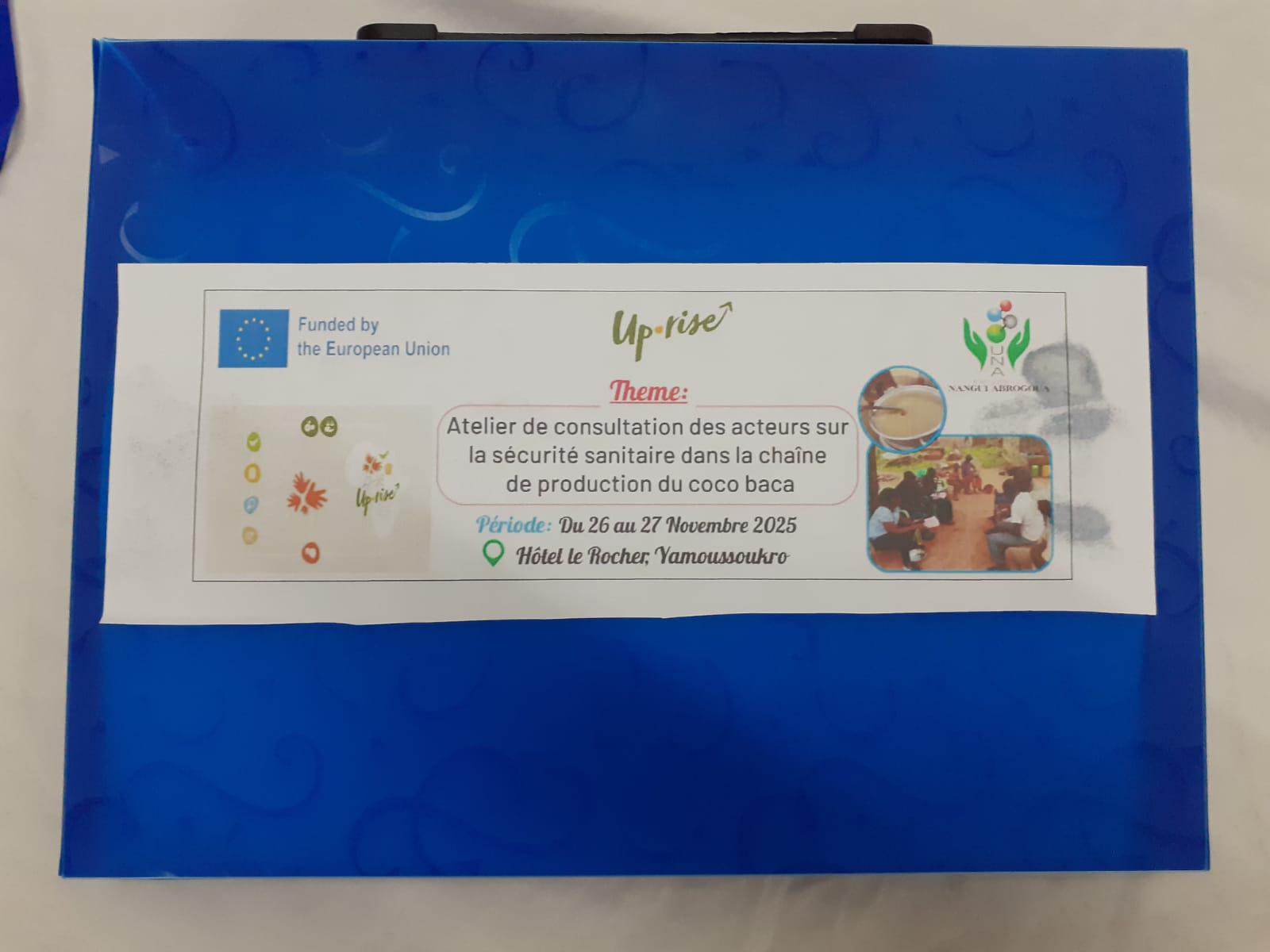
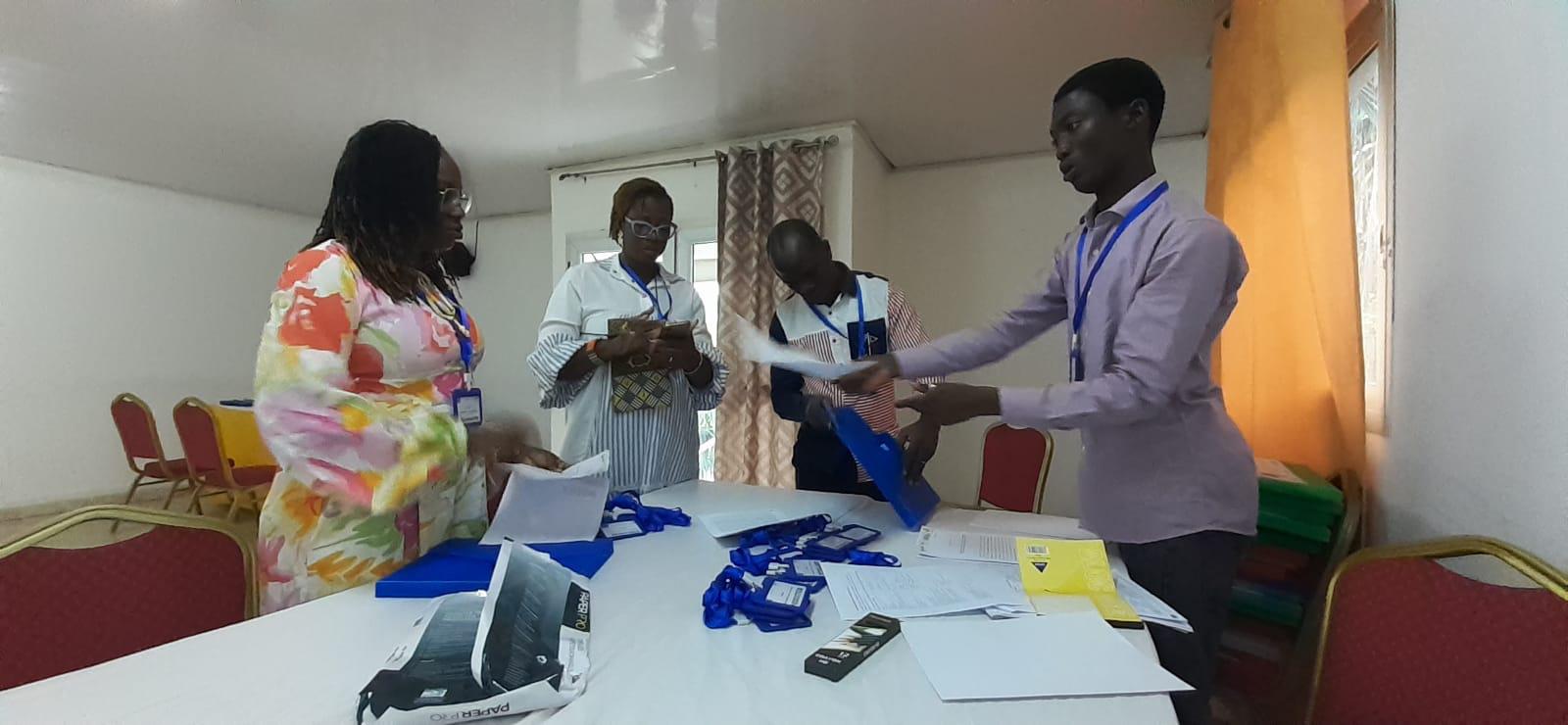
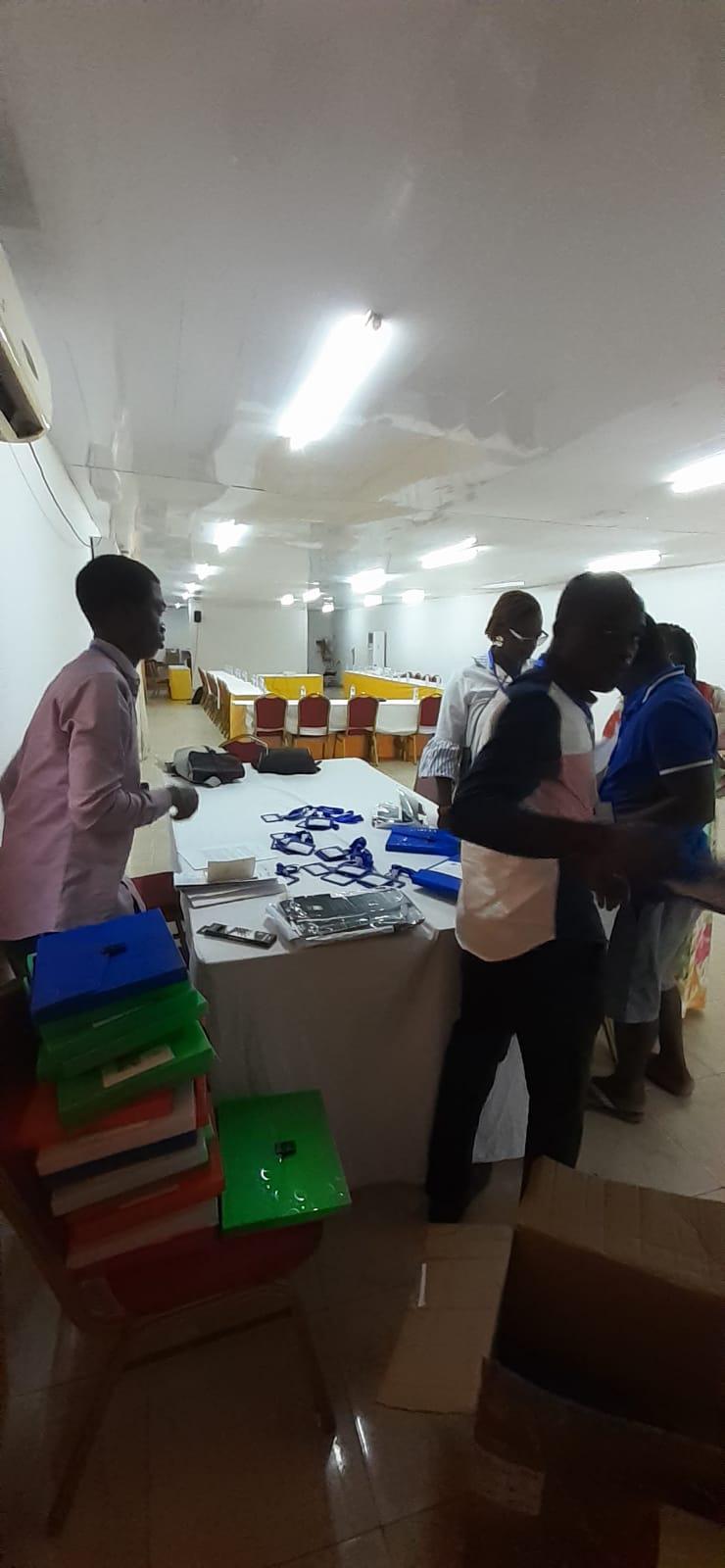
In November 2025, the UP-RISE project continued its momentum in West Africa by hosting the multi-actor co-creation workshop for Côte d’Ivoire in Yamoussoukro. Held at the Hôtel Le Rocher, the two-day event focused on improving the safety and quality of the coco baca (a traditional maize-based product) value chain. The workshop brought together 25 operators from diverse regions, including Poro, Hambol, Gbêkê, and Bélier, facilitating discussions in French with local translations into Senoufo language.
Specific objectives
- Share and validate the diagnostics of the current coco baca production process and identify alternative local practices;
- Build a common understanding of food safety principles, with a specific focus on the risks associated with mycotoxins;
- Analyse critical points in the production flowchart to assess technical, social, and economic trade-offs;
- Co-design practical innovations and best practices that are affordable and feasible for local operators; and
- Establish an engagement plan to ensure stakeholders are involved in testing and disseminating safety results.
Insights from the field
The workshop took a “farm to fork” view, including 7 farmers, 3 collectors, 4 wholesalers, 3 retailers (sellers), 6 processors, and 2 millers. A standout finding of this session was that all participants were women, underscoring their central role in the production and commercialisation of coco baca.
Key discussions regarding hazards and constraints revealed:
- Hazard Awareness: Most operators were already aware of visible hazards, such as physical foreign bodies (stones, dust, human waste) and biological risks from rodents or beetles.
- Microbiological Gaps: While chemical hazards from pesticides were known, very few participants initially recognised microbiological risks, such as moulds and mycotoxins, occurring during the farming and storage stages.
- Resource Barriers: Participants identified several obstacles to safety, including the high cost of protective tools, inadequate storage infrastructure, price fluctuations for raw materials, and a general lack of access to bank credit.
Co-Created Solutions and Commitments
Through small-group discussions and exchanges of ideas, stakeholders moved from identifying risks to proposing viable local solutions. All 25 actors committed to implementing at least one or two specific improvements in their daily activities:
- Farmers pledged to use tarpaulins for drying, use quality-approved inputs, and store raw materials on wooden pallets.
- Wholesalers and Collectors committed to ventilating storage premises, using “boro” bags (clean woven polypropylene bags), and sorting material before storage.
- Millers agreed to clean and maintain both their milling premises and the grinders regularly.
- Processors vowed to implement good hygiene practices (GHP), improve sieving techniques, and monitor drying processes more closely.
Next Steps
The feedback from the workshop was overwhelmingly positive, with participants noting that the session was highly relevant to their business needs. The results will be used to develop tailored Good Practice Guides for the coco baca value chain. All participants expressed a strong desire to return for a follow-up implementation workshop in 2026 to share the results of the safety solutions they have decided to test.
Read more
Coco baca value chain
Côte d’Ivoire Business cases
Gallery